
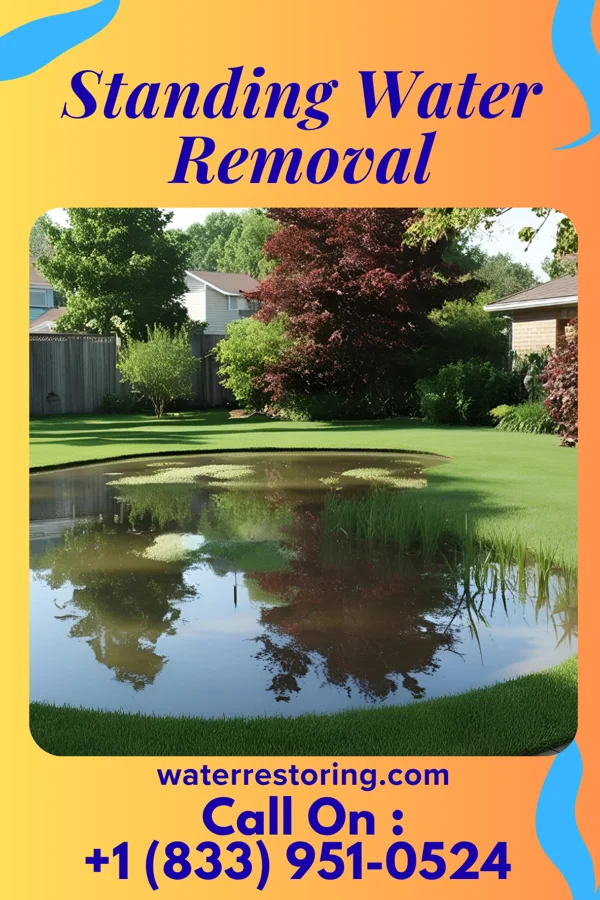
Standing Water & Insurance in Clarysville
In Clarysville, Maryland, the primary water damage cause is often due to burst pipes in older rural homes, especially during harsh winter months when frozen pipes are common. Additionally, heavy rainfall in the Appalachian region can lead to basement flooding near Eckhart Mines and Frostburg, affecting nearby neighborhoods. is the trigger behind most standing water removal claims in Clarysville. A close second is Secondary causes include malfunctioning sump pumps in low-lying areas near Grahamtown, and water infiltration from nearby streams or rivers during spring thaw. Poorly maintained septic systems in rural areas also contribute to localized water damage issues.. Most homeowner insurance policies cover sudden, accidental water damage. What separates a clean claim from a stuck one is fast professional response with documentation an adjuster can actually use.
Clarysville experiences a humid continental climate with significant precipitation, increasing the risk of water damage from both seasonal storms and prolonged rain events. The region's proximity to the Appalachian Mountains also means that heavy snowmelt can lead to flash flooding in lower-lying areas.
Most standing water removal calls in Clarysville come from In Clarysville, Maryland, the primary water damage cause is often due to burst pipes in older rural homes, especially during harsh winter months when frozen pipes are common. Additionally, heavy rainfall in the Appalachian region can lead to basement flooding near Eckhart Mines and Frostburg, affecting nearby neighborhoods.. Running a close second is Secondary causes include malfunctioning sump pumps in low-lying areas near Grahamtown, and water infiltration from nearby streams or rivers during spring thaw. Poorly maintained septic systems in rural areas also contribute to localized water damage issues.. Local mold risk: In Clarysville, mold growth can occur rapidly due to the high humidity and frequent rainfall, making it crucial to address water damage within 48 hours to prevent health hazards and structural damage in homes and buildings.
For public guidance on the health effects of mold after prolonged water exposure, see the EPA mold and health page.